
Minnesota Farmland Values December 2025: Market Trends, Land Prices, and USDA Policy Impact
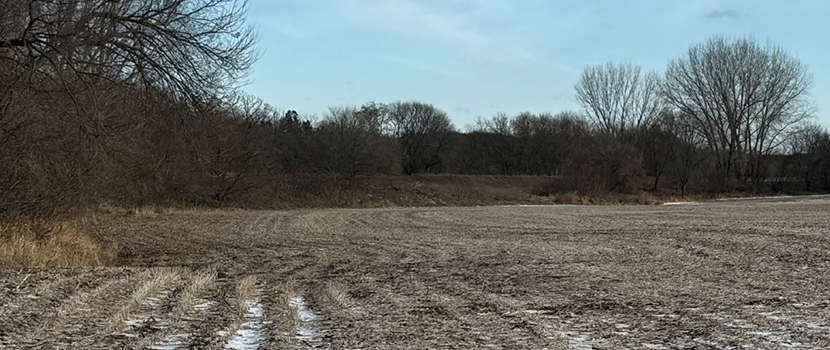
Top-quality farms are consistently selling in the $12,000–$14,000+ per-tillable-acre range, and in a few pockets, buyers are still pushing well past that mark. A good example is a 75± acre tract we sold in Faribault County. With system tile, a 94.6 CPI, and an efficient square layout, it brought $14,554 per tillable acre.
Mid-tier farms continue to land in the $10,000–$12,000 range. One recent auction we had in Redwood County illustrates this well. We sold a 120± acre farm with good to moderate soils, a building site extending into the field (not included), and six acres enrolled in CRP. That property sold for $10,485 per tillable acre, which reflects buyer sentiment for mixed-feature farms.
Lower-tier land is still trending $8,000–$10,000 per tillable acre, depending on soils, drainage, and overall productivity. Due to pressures from operating margins, buyers continue to be more selective with these farms and the price range is reflected in this.
Federal Policy Update: USDA’s $12 Billion Farmer Bridge Assistance Program
One of the bigger pieces of news this month came from USDA. The agency announced a $12 billion Farmer Bridge Assistance Program, aimed at helping producers—including Minnesota’s row-crop corn and soybean growers—offset high input costs and disruptions in export markets. The payments are expected to land by late February 2026, which should provide a short-term lift to cash flow heading into planting season.
This is temporary relief designed to support producers until longer-term policy reforms under the One Big Beautiful Bill (OBBBA), which will go into effect later in 2026. The support will help stabilize things in the near term, but it doesn’t change the bigger economic pressures farmers are working through.
Market Outlook: Confidence With Caution
Federal assistance certainly helps maintain buyer confidence, but it doesn’t erase the realities of the current operating environment. Tight margins, elevated borrowing costs, and cautious lender outlooks continue to influence how aggressive buyers are willing to be. There is consistent buyer interest, but also smart, selective decision-making.
We continue to see high-quality farms with strong drainage, good soils, and efficient layouts remain incredibly competitive. These farms continue to hold value extremely well because buyers prioritize long-term productivity.
Heading into early 2026, we expect the land market to remain stable and active, supported by balanced supply, consistent buyer interest, and the additional liquidity provided by USDA’s bridge payments. As always, quality, location, and local fundamentals will guide purchase decisions.
Read the full USDA article here:
Trump Administration Announces $12 Billion Farmer Bridge Payments for American Farmers Impacted by Unfair Market Disruptions | USDA