
Minnesota Property Taxes in 2026: What Landowners Should Know
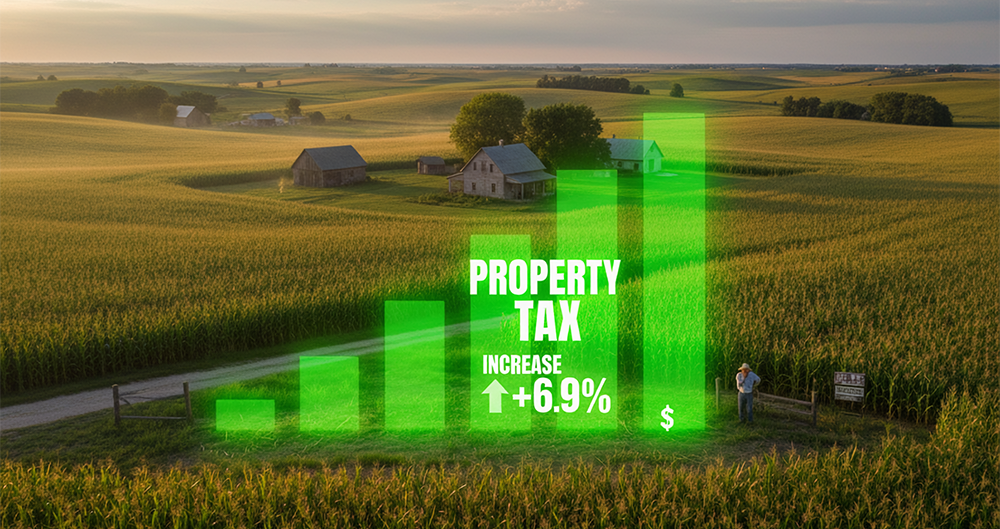
According to preliminary figures from the Minnesota Department of Revenue, statewide property tax levies for 2026 are projected to increase by approximately $948 million, or about 6.9% compared to 2025. Final numbers will vary by county and township, but the statewide direction is clear: local governments are budgeting for higher revenue, and landowners will feel it.
What’s driving the increase?
Property taxes rise primarily due to local levy decisions, not just land values. Across Minnesota, several pressures are pushing levies upward:
- Higher county and city operating costs
- Increased funding needs for schools and special taxing districts
- Ongoing inflation tied to labor, infrastructure, and mandated services
Even if your land’s assessed value stays relatively flat, a higher levy alone can still increase your tax bill.
Why this matters—especially if you don’t farm the land
For many landowners, farmland is a long-term investment, not an operating business. That makes property taxes especially important because they:
- Reduce net rental income
- Affect long-term holding costs
- Influence decisions around selling, gifting, or transferring land
A few Minnesota-specific factors are worth understanding in 2026:
How your property is classified—ag homestead, nonhomestead ag, rural vacant, etc.—has a direct impact on your tax calculation. Ownership changes, trust transfers, parcel splits, or adding a building site can unintentionally change classification.
TAKEAWAY: ABSENTEE OWNERS SHOULD PERIODICALLY VERIFY THAT PARCELS ARE STILL CLASSIFIED CORRECTLY.
Rising values can increase taxes even without operational changes.
Minnesota uses a tiered system for agricultural homestead land. As values increase, more of a parcel’s value may be taxed at higher rates over time—even if the land use hasn’t changed.
TAKEAWAY: APPRECIATION IS GOOD FOR EQUITY, BUT IT CAN QUIETLY RAISE ANNUAL OWNERSHIP COSTS.
Lastly, development pressure can distort assessments. Land near growing towns, highways, or recreational areas may be assessed based on market demand rather than farm income.
Programs like Green Acres are designed to protect qualifying farmland by taxing it based on agricultural value instead of development pressure.
TAKEAWAY: IF YOUR LAND IS RENTED OUT AND NEAR GROWTH, CONFIRM ELIGIBILITY AND ENROLLMENT.
A quick checklist for 2026
When your proposed tax statement arrives:
- Look beyond the total dollar amount—whether increases are driven by levies, values, or both.
- Confirm parcel details—classification, acreage, and program enrollment matter.
- Watch for ownership or boundary changes—these can affect taxes more than expected.
Property taxes may not be the most visible cost of owning farmland—but they are one of the most consistent and steadily rising ones.
For landowners who don’t farm the ground themselves, staying informed is one of the simplest ways to protect returns and avoid surprises.