
Easements: What Minnesota Landowners Should Know to Avoid Surprises
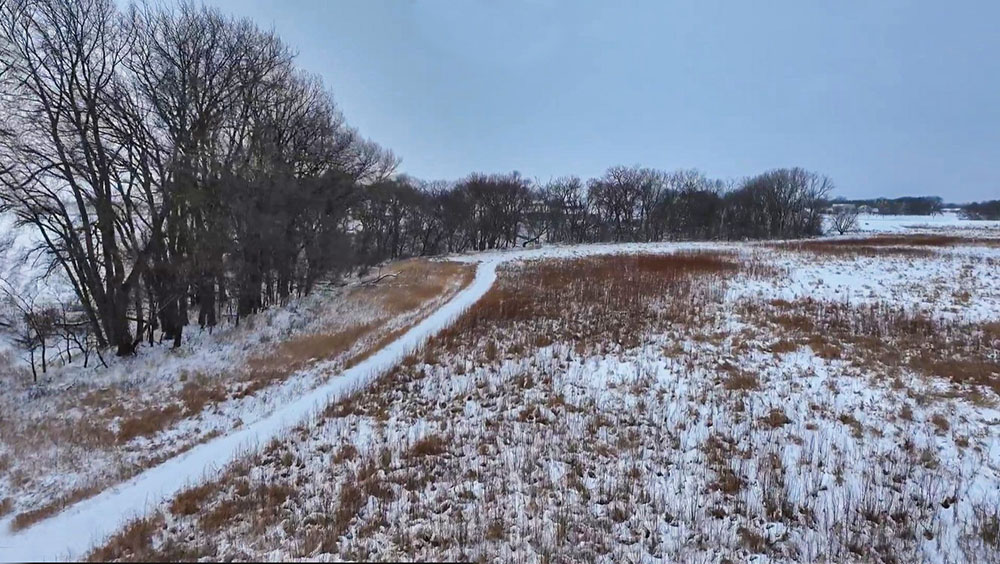
An easement is simply a legal right that allows someone else to use a portion of your property for a specific purpose—without owning it. You still own the land and, in most cases, continue using it as you always have. The key is that certain uses may be limited depending on what the easement allows.
Easements are common across Minnesota farmland and rural properties. Many landowners don’t give them much thought until they’re selling, making improvements, or passing land on to the next generation. But having a basic understanding ahead of time can help avoid surprises later.
Common Easements Landowners See
- Utility easements
These allow power, gas, water, or telephone lines to cross a property. They’re typical and often part of everyday land ownership, though they can limit where buildings, trees, or other improvements are placed. - Drainage easements
Often tied to county ditches or tile outlets. These can affect where tile can be installed or how land is
altered. On farmland, drainage easements are especially important to understand. - Access easements
Provide legal access for a neighbor, tenant, or adjoining parcel. Clear access is one of the first things buyers ask about, and it’s an area where clarity really matters. - Conservation easements
Limit certain uses of the land to protect natural resources, while the land remains privately owned. These easements are permanent and transfer with the property.
Why Easements Matter When Selling Land
When land changes hands, easements show up in the title work and surveys. Buyers generally want to know where an easement is located, what it allows, and whether it affects future use, access, or improvements.
Most easements are manageable. Issues tend to arise not from the easement itself, but from uncertainty. When things are clearly documented and understood, transactions tend to move along more smoothly.
Why Easements Matter Even If You’re Not Selling
Even if a sale isn’t on the horizon, easements can still affect day-to-day decisions—like installing tile, planning a building site, or improving an approach. They also come into play during estate planning or family transitions.
Taking the time to understand these details early can help prevent delays or difficult conversations later on.
A Practical Takeaway
If you own land, it’s worth knowing:
- What easements are recorded on your property
- Whether any access or use is assumed rather than documented
- How those rights could affect future plans
No two properties are exactly alike, and small details can make a real difference. When questions come up, it’s best to talk them through with an attorney or title professional who can look at the specifics.
Easements are a normal part of land ownership. Understanding them—before you need to—can make future decisions a whole lot easier.